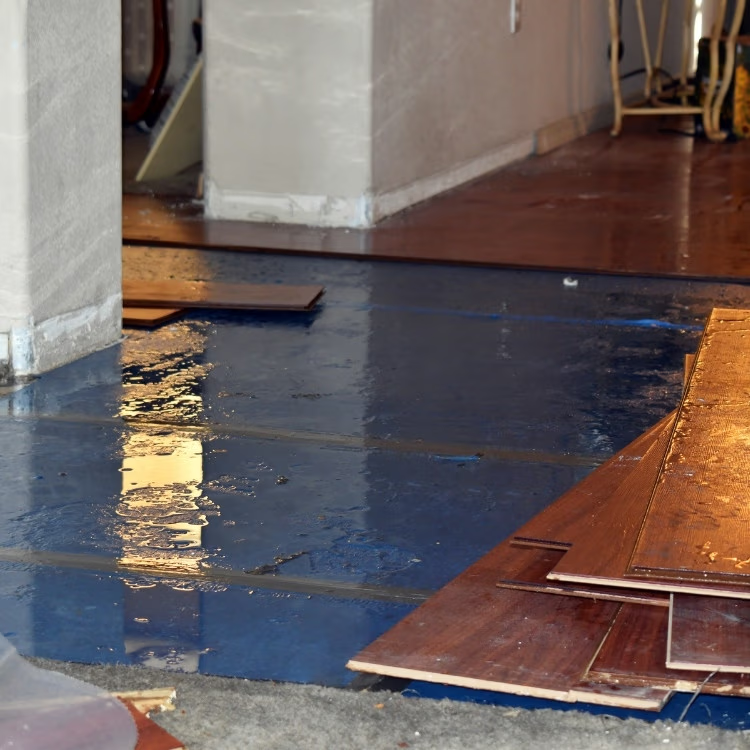
Mold growth is one of the most common problems that can happen after water damage. In Cypress, TX and the Greater Houston Area, moisture from storms, plumbing leaks, appliance failures, roof leaks, and flooding can create the right conditions for mold to grow inside homes and businesses. Even a small leak can become a bigger issue when moisture is left behind.
Mold can begin forming within 24 to 48 hours if wet materials are not dried properly. The problem is not always visible right away. Moisture can hide behind walls, under flooring, inside insulation, and around baseboards. This guide explains why mold grows after water damage, what signs to watch for, and how Clear Restoration Services can help stop the problem before it spreads.
Why Mold Grows After Water Damage
Mold needs moisture, organic material, and limited airflow to grow. After water damage, those conditions are often present inside drywall, wood, carpet, insulation, cabinetry, and other building materials. When moisture stays trapped, mold spores can begin spreading across affected areas.
The humid climate in Cypress and Greater Houston can make the problem worse. Damp indoor air, poor ventilation, and hidden water pockets can slow the drying process. Even after visible water is removed, materials may still hold enough moisture for mold growth to continue.
Hidden Moisture Is the Bigger Problem
Many property owners assume mold is only a concern when they can see it. In reality, mold often starts in hidden areas first. Water can travel behind walls, under flooring, beneath carpet padding, and into tight spaces where normal airflow cannot reach.
This is why professional moisture detection is so important. Restoration teams use tools designed to locate damp materials that may not look wet from the surface. Without this step, a room can appear dry while moisture remains trapped behind the visible finishes.
Common Signs of Mold After Water Damage
Musty odors are often one of the first signs of mold. You may notice a damp smell in one room, near baseboards, inside closets, or around areas that were previously affected by water. Discoloration on walls, ceilings, or flooring can also point to moisture and possible mold growth.
Some people also notice allergy like symptoms indoors, such as sneezing, coughing, watery eyes, or irritation. These signs do not always confirm mold, but they are a reason to inspect the property more carefully, especially after recent water damage.
How to Reduce Mold Risk Right Away
The best way to reduce mold risk is to remove moisture quickly and thoroughly. Standing water should be extracted, wet materials should be evaluated, and drying equipment should be used to bring moisture levels down. Opening windows or using household fans may help with light surface drying, but it is usually not enough for hidden moisture.
Professional air movers and dehumidifiers are designed to dry affected spaces more effectively. They help pull moisture from the air and from materials, which lowers the chance of mold growth. Drying should also be monitored so the property is not assumed to be dry too soon.
Do Not Disturb Visible Mold Without Proper Containment
If mold is already visible, avoid scrubbing, sanding, or spraying it without knowing the full extent of the issue. Improper cleaning can disturb mold spores and spread them into other areas of the property. Surface cleaning may also fail if the mold is growing inside porous materials.
In some cases, affected materials may need to be removed, cleaned, sanitized, or replaced depending on the severity of the damage. Professional mold removal focuses on containment, safe handling, moisture control, and proper cleanup so the issue does not continue returning.
When to Call Clear Restoration Services
You should call a professional if you notice musty odors, visible discoloration, damp walls, soft flooring, or water damage that was not dried properly. You should also call if water reached drywall, insulation, carpet, cabinets, or other porous materials.
Clear Restoration Services provides professional mold removal and water damage restoration throughout Cypress, TX and the Greater Houston Area. The team can inspect affected areas, remove moisture, dry the structure, address mold concerns, and help restore the property safely.
Final Thoughts
Mold after water damage is not something to ignore. The faster moisture is removed, the easier it is to reduce the risk of mold growth and protect the property. Focus on drying the structure correctly, watching for musty odors or discoloration, and calling professionals when water damage affects hidden areas or porous materials.
FAQs
How quickly can mold grow after water damage?
Mold can begin forming within 24 to 48 hours if moisture is not properly removed and affected materials stay damp.
Can mold grow even if the room looks dry?
Yes. Water can remain hidden behind walls, under flooring, and inside insulation even when the surface looks dry.
Should I clean mold myself?
Small surface issues may seem manageable, but mold after water damage should be inspected carefully because hidden growth and moisture may still be present.
Does Clear Restoration Services handle mold removal?
Yes. Clear Restoration Services provides mold removal and water damage restoration across Cypress, TX and the Greater Houston Area.